




 -We cut the vinyl for you!
Window film
South-facing office windows, meeting rooms with glass partitions, retail facades and server rooms with temperature requirements all have very different demands on window film — and the solutions are not the same. Use the overview below to find the right type.
Find the right window film
| You need… | Right choice |
|---|---|
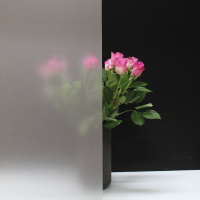
| Privacy — light comes in, but no one can see inside | See frosted film → |
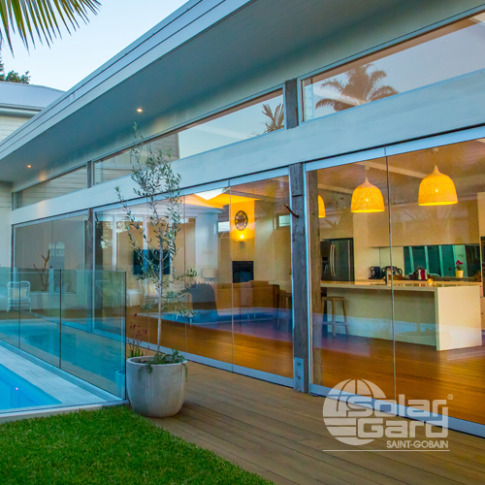
| Reduce heat and glare — especially south-facing windows | See all solar films → |
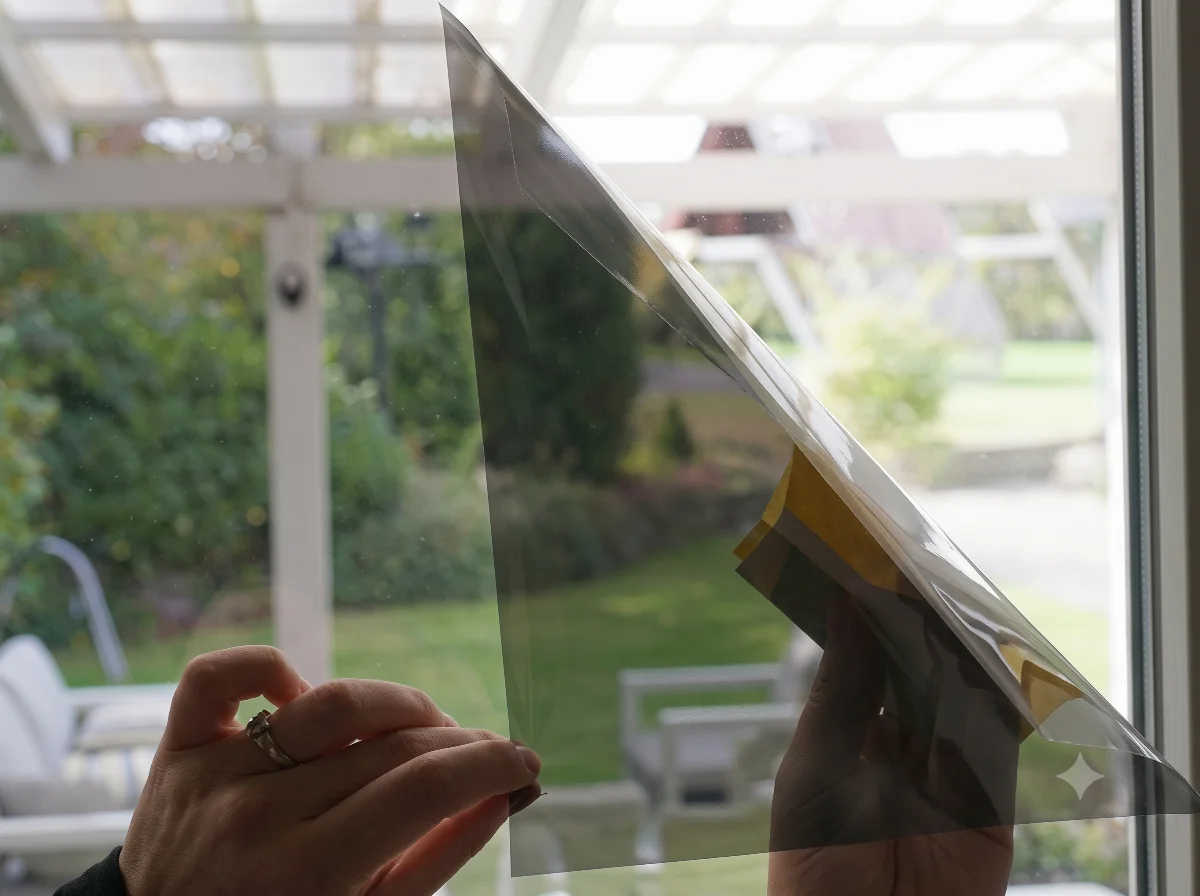
| See out but not in — privacy during daytime only | See one-way mirror → |
| Protect furniture and floors from UV fading | See UV film → |
| Block all light — bedroom or home cinema | See blackout film → |
| Decorate with patterns or branding | See decorative film → |
Choose between

Which window film suits your situation?
Window film comes in four types with very different functions. Use the overview below to find the right one — and go straight to the price calculator.
| Solar Film | Frosted Film | One-Way Mirror | UV Film | |
|---|---|---|---|---|
| Primary benefit | Reduces heat and glare by up to 80% | Total privacy screening — day and night | See out, not in | Protects furniture, floors and goods from fading |
| Typical commercial use | Offices, shopping centres, server rooms, production halls with south-facing facade | Meeting rooms, glass partitions facing corridors, reception, toilet windows | Retail facades, open-plan offices, showrooms with a view | Museums, galleries, shops with exposed goods, showrooms |
| Light transmission | 16–59% depending on variant | Diffuse | 1–10% (very dark) | 70–90% (near invisible) |
| Heat reduction | Yes — up to 80% | No | Yes — 82–85% | Slight to moderate — 14–44% |
| Privacy | Partial — mirror effect in daylight | Yes — day and night | Yes — daytime only* | No |
| UV blocking | Yes — up to 99% | No | Yes — up to 99% | Yes — up to 99% |
| Installation | Interior or exterior | Interior or exterior | Interior (Vista 90 C) / exterior (Vista 99 XC) | Interior or exterior |
| See solar film and calculate price → | See frosted film → | See one-way mirror → | See UV film → |
* One-way mirror only works during the day — at night the effect reverses: see in, not out. For 24/7 privacy, use frosted film.
** The darker the solar film, the stronger the mirror effect and the more heat rejected — but light transmission decreases. Silver 20 (16% light) is the strongest; Silver 35/70C is the most popular balance. Interior solar film must never be used on low-energy glass (Low-E) — exterior solar film can be used on all glass types.
*** One-way mirror is very dark (1–10% light transmission) and offers the strongest heat protection in the range. Vista 90 C (interior) must not be used on low-energy glass — Vista 99 XC (exterior) can.
**** UV film is near invisible (70–90% light transmission). Do not combine with solar film — they overlap in function.
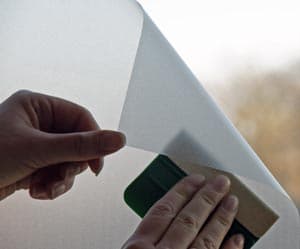
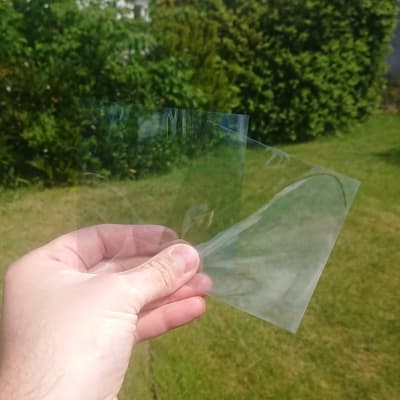
Window film is suitable for providing privacy without losing natural light. Our self-adhesive window film is specifically designed for application on windows.
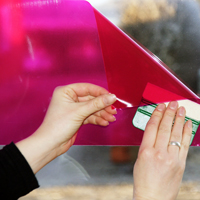
Our range includes many different versions and patterns of films for panes and windows, so there is something for every taste and situation. Choose from the standard frosted look, solar film for windows, or one of the attractive patterned films.
We can also print your company’s logo on our one-way vision screening, where the print is visible from outside, but only a shadow is seen inside.
FAQ about Window Film
- Can window film fall off by itself?
- How do you remove window film?
- Does window film fade in sunlight?
- Can I use standard film on my window to block out light?

Can window film fall off by itself?
No, all our window films are self-adhesive. As long as the film is installed correctly and any installation fluid is removed (only applies to wet application films), the film will stay in place. Some types of film and solar film have a liner that can be hard to spot, but all our window films have adhesive on the back, and the liner must be removed during installation for the film to stick properly.How do you remove window film?
Gently pull the film off the window so as much adhesive as possible comes off with it.Be careful if you use a heat gun or hairdryer to warm up the film, as the heat can easily get concentrated in one spot and create a big temperature difference on the glass. This can cause the window to crack.
Once the film is off, there will probably be some glue left behind. You can remove this with a bit of soapy water and a glass scraper (razor blade scraper).
It’s important to use plenty of soapy water with the scraper, as this helps the blade glide over the glass and lift off the glue. Without soapy water, the glue is harder to remove and will just smear around.
Does window film fade in sunlight?
Everything fades in the sun’s UV light, but most window films are made in very neutral colours that last for many years. Most types of solar film also have a UV filter built into the adhesive, which helps protect your furniture and belongings from the sun’s harmful effects.Can I use standard film on my window to block out light?
We don’t recommend putting dark, standard self-adhesive film on your window, and there are two reasons for this:If you put a fully covering film on your window that blocks all the light, the glass can’t get rid of the heat from the sun, and there’s a risk the glass could crack.
Standard film isn’t always completely lightproof.
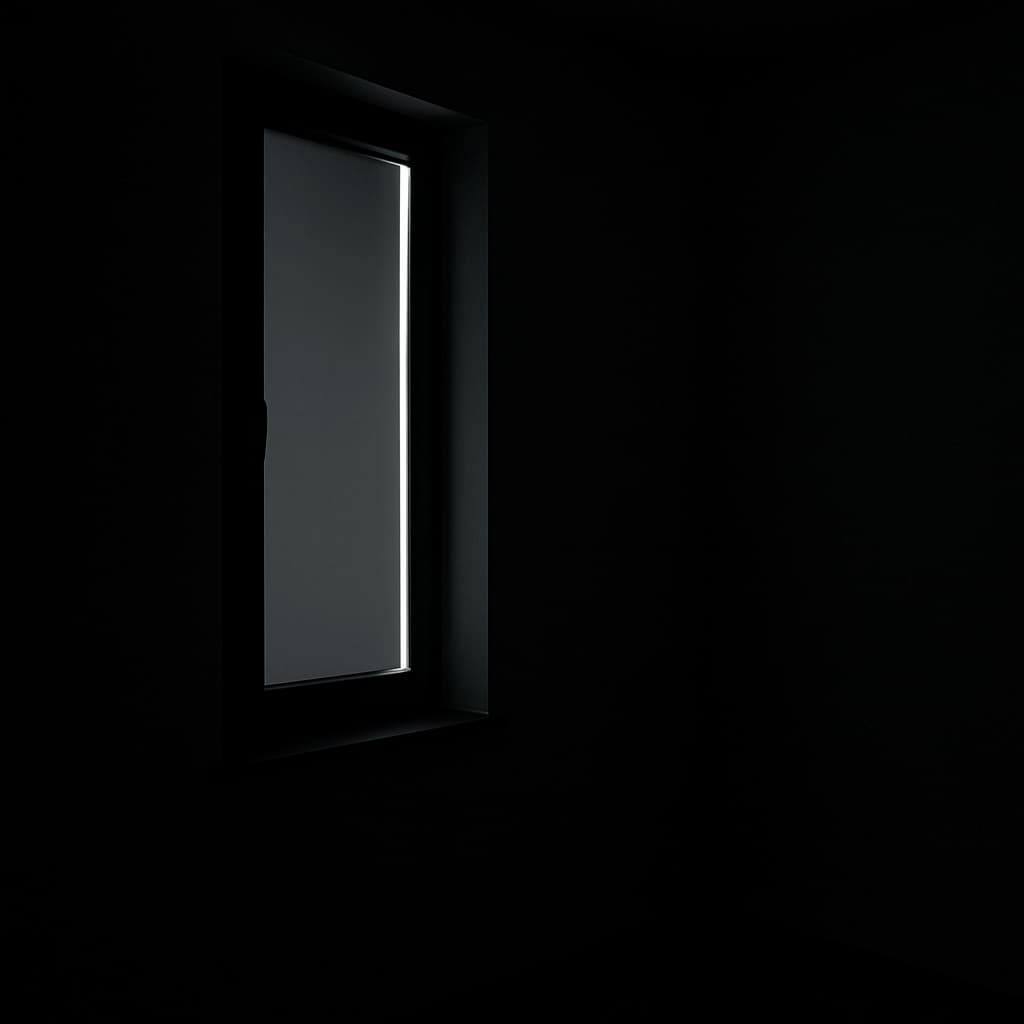
If you want to block out your window, we recommend using our blockout film. It’s white on the outside and has a black core that stops light from getting through.